Jay Manuel says he faced threats when he tried to leave ANTM—what that reveals about fashion TV power
Jay Manuel says he faced threats when he tried to leave ANTM after Cycle 8. What it reveals about fashion TV’s power, contracts, and the style we see on-screen.
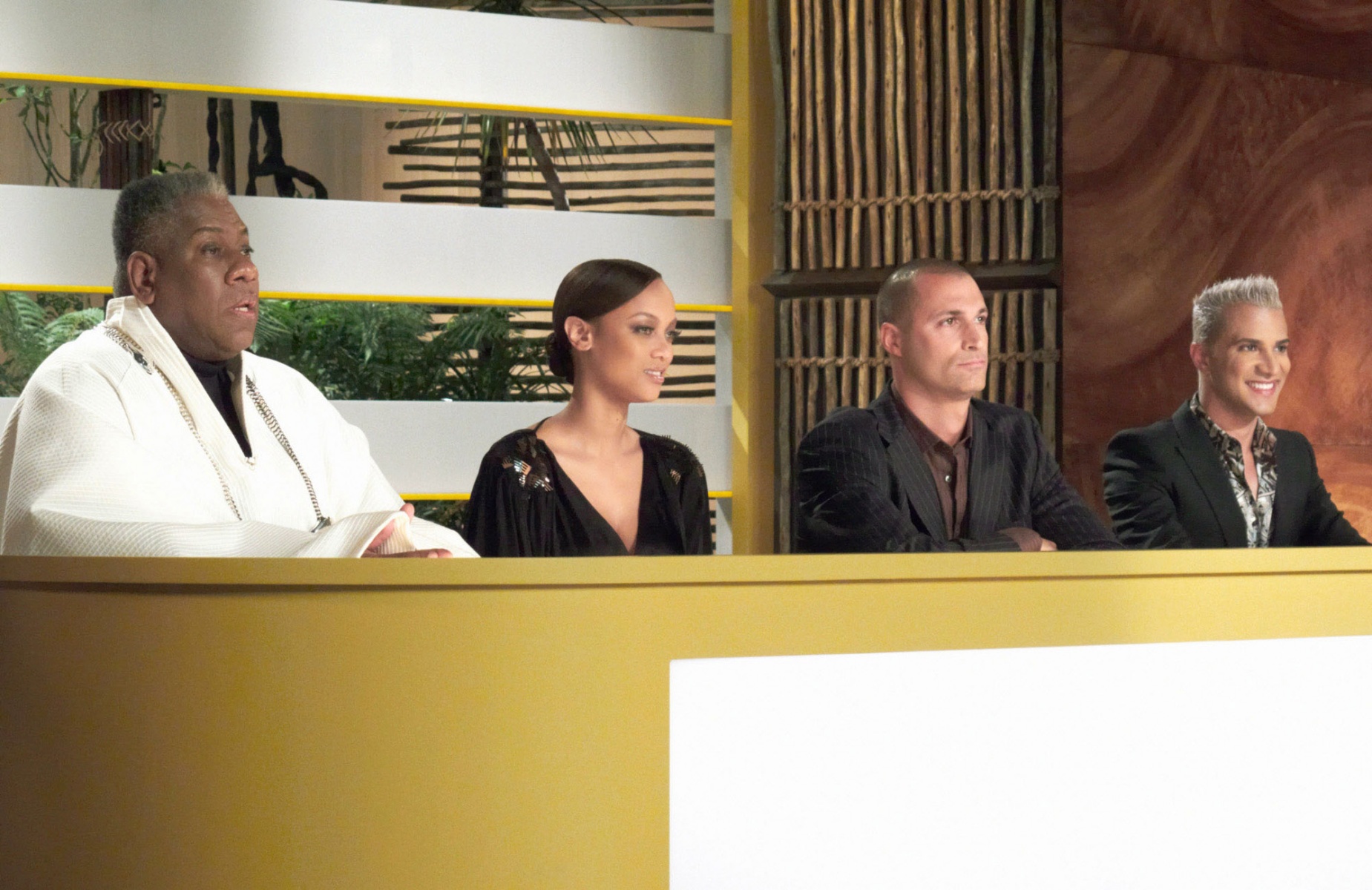
Smize if you must, but behind the gloss the stakes can cut deep. On a recent episode of The LadyGang podcast, Jay Manuel said that when he tried to step away from America’s Next Top Model after Cycle 8, he was met with threats. The allegation cracks open the polished veneer of a defining fashion franchise and forces a harder look at who holds the real power—and how it gets used in celebrity style TV.
What Jay Manuel actually said on The LadyGang
On the podcast, Manuel explained that he’d decided to leave ANTM after Cycle 8 and wanted to do it amicably. He claims that once he made his intentions clear, threats followed—warnings serious enough to color the way he navigated his exit. He emphasized he hoped to part on “really good terms,” and says he ultimately did, but the process, as he describes it, wasn’t as breezy as the runway made it look. He did not publicly name who issued the threats in the interview, and no on-record response from the show or its leadership was included at the time of publication [1].
The one-minute recap: ANTM, a planned exit, and alleged threats
If you’re just catching up, here’s the snapshot:
- The claim: Manuel says he was threatened when he signaled he wanted to leave ANTM after Cycle 8 [1].
- The forum: He shared the story on The LadyGang podcast, framing it as part of an effort to leave professionally and cordially [1].
- The unknowns: He didn’t identify the person or entity behind the alleged threats, and there was no immediate response from ANTM’s camp noted in the coverage [1].
- The bigger picture: Manuel was a core creative voice and on-screen mentor for years, helping shape the show’s most talked-about shoots and style moments, and later expanded his career beyond the franchise [2].
Why it matters: ANTM wasn’t just reality TV—it was a global style classroom. If a leading creative says pushback got personal when he tried to bow out, it raises industry-wide questions about contracts, control, and how fashion franchises treat the talent who build their brands.
Where Tyra Banks fits—and what we still don’t know
Tyra Banks is the creator and face of ANTM, the executive force who turned a modeling competition into a global pop-culture juggernaut. That makes her the inevitable center of fan speculation any time behind-the-scenes drama surfaces. Here’s the key nuance: Manuel’s podcast comments, as summarized publicly, did not attribute threats to a specific person—including Banks—and he didn’t name names at all. Without that attribution, it’s worth avoiding snap assumptions while still acknowledging the structure of TV power, in which creators, producers, and network partners collectively shape and enforce guardrails on talent [1][2].
In other words, Manuel’s account shines a light on the system—less so on one individual—unless and until more detail is shared on the record.
From mentor to franchise mainstay: Jay Manuel’s ANTM arc
Manuel wasn’t a cameo; he was the show’s creative conscience. As the on-camera mentor and creative director guiding high-concept photo shoots, he helped translate fashion’s editorial edge for primetime—and for a generation of viewers who learned the difference between posing and presence. His silver hair and exacting eye became visual shorthand for “fashion authority,” and his notes to contestants often read like mini master classes in art direction.
Beyond ANTM, he helmed Canada’s Next Top Model and built parallel projects across media and beauty, proof that his influence wasn’t confined to one franchise [2]. While timelines can vary depending on the season or territory you watched, the throughline is consistent: Manuel was a pillar of the brand for years, shaping some of the most defining style challenges in reality TV [2]. The fact that a figure with that level of equity says exit conversations turned tense underscores how thorny departures can be in legacy series.
What most people miss about fashion reality shows’ power plays
- The contract calculus: Reality franchises often lock in key personalities for multiple cycles with options, exclusivity windows, and strict non-disparagement clauses. The point isn’t just continuity; it’s leverage. When a breakout figure signals they’re ready to move on, the production’s risk management kicks in—hard.
- The brand equation: ANTM didn’t sell clothes; it sold cultural authority on style. That makes the core creative voices unusually valuable. A sudden change can feel, to producers and partners, like brand erosion. In those moments, pressure tends to rise, and tone can shift quickly from “family” to “formal.”
- The editing reality: Viewers see glossy deliverables—killer beauty shots, inventive styling, runway drama. They don’t see budget constraints, laddered approvals, and the creative politics that decide which risks make it to air. The mentor who looks like the “stern stylist” is often also the person advocating for bolder concepts behind the scenes.
- The industry ripple: When allegations of exit threats surface, it can chill open dialogue for other creatives who are negotiating their own timelines. That’s not just a labor story—it’s a style story, because fewer empowered voices often equals safer, flatter fashion on screen.
Practical lens for celebrity-fashion pros: If you’re a stylist, creative director, or on-camera expert considering a franchise role, negotiate for clarity up front—exit windows, off-ramps, and what constitutes “cause.” Build a paper trail of approvals on creative choices and keep your representation looped in before you float a transition. Silence is expensive; surprise is costly.
Quick answers to your big ANTM questions
Q: Did Jay Manuel say who threatened him? A: No. In the account shared on The LadyGang, he described being threatened after communicating he wanted to leave, but he didn’t identify the person or entity behind those threats [1].
Q: Did he actually leave right after Cycle 8? A: He said he intended to leave after Cycle 8 and aimed to do so on good terms. He remained a prominent presence on subsequent seasons before pursuing other projects, including hosting Canada’s Next Top Model [1][2].
Q: Has there been a response from ANTM leadership or Tyra Banks? A: The coverage of his podcast comments did not include an on-record response. If one follows, it could clarify whether the issue was contractual friction, miscommunication, or something more serious [1].
Q: What kind of “threats” are we talking about? A: The public recap of the interview doesn’t spell out specifics. In TV, pressure can range from legal posturing over contracts to warnings about future opportunities. Manuel did not publicly detail the nature of the threats in the cited coverage [1].
Q: Does this change how we view those iconic ANTM shoots and makeovers? A: It reframes them. The jaw-dropping visuals still stand, but Manuel’s claim adds context: creative brilliance often lives alongside power struggles. That duality is baked into most long-running franchises.
What fans and brands should do next
- For viewers: Rewatch with fresh eyes. Celebrate the craft, but clock the structure—who’s allowed to take creative risks, who shoulders blame when they flop, and who gets to walk away.
- For labels and glam teams: When partnering with franchise talent, ask about control: Who signs off on styling? What’s the chain of command? Align on values (diversity, cultural sensitivity, labor standards) and set escalation paths before shoot day.
- For networks and producers: Transparent exit language and post-show pathways keep the talent ecosystem healthy—and the on-screen fashion bolder. Quiet departures are not always the strongest brand play; well-managed ones often are.
- For on-air creatives: Keep receipts. Document your pitches, notes, and approvals. If you anticipate an exit, loop legal and PR early to protect your narrative and future work.
In short, Manuel’s allegation isn’t just about one goodbye. It’s about the tension between image and infrastructure—the part of fashion television audiences rarely see.
—
Takeaways
- Jay Manuel says threats followed when he moved to leave ANTM after Cycle 8, though he didn’t name who made them [1].
- The claim spotlights how legacy fashion franchises wield contractual and cultural power.
- Tyra Banks’ central role invites scrutiny, but no direct attribution was made in Manuel’s on-air remarks [1][2].
- For creatives, clarity on exits is as crucial as creative freedom.
- For viewers, the style is still dazzling—now with a sharper understanding of the machinery behind it.
Sources & further reading
Primary source: usmagazine.com/entertainment/news/jay-manuel-claims-he-was-threatened-when-...
Written by
Ava Sterling
Entertainment and fashion writer tracking celebrity style moments.
Related Articles
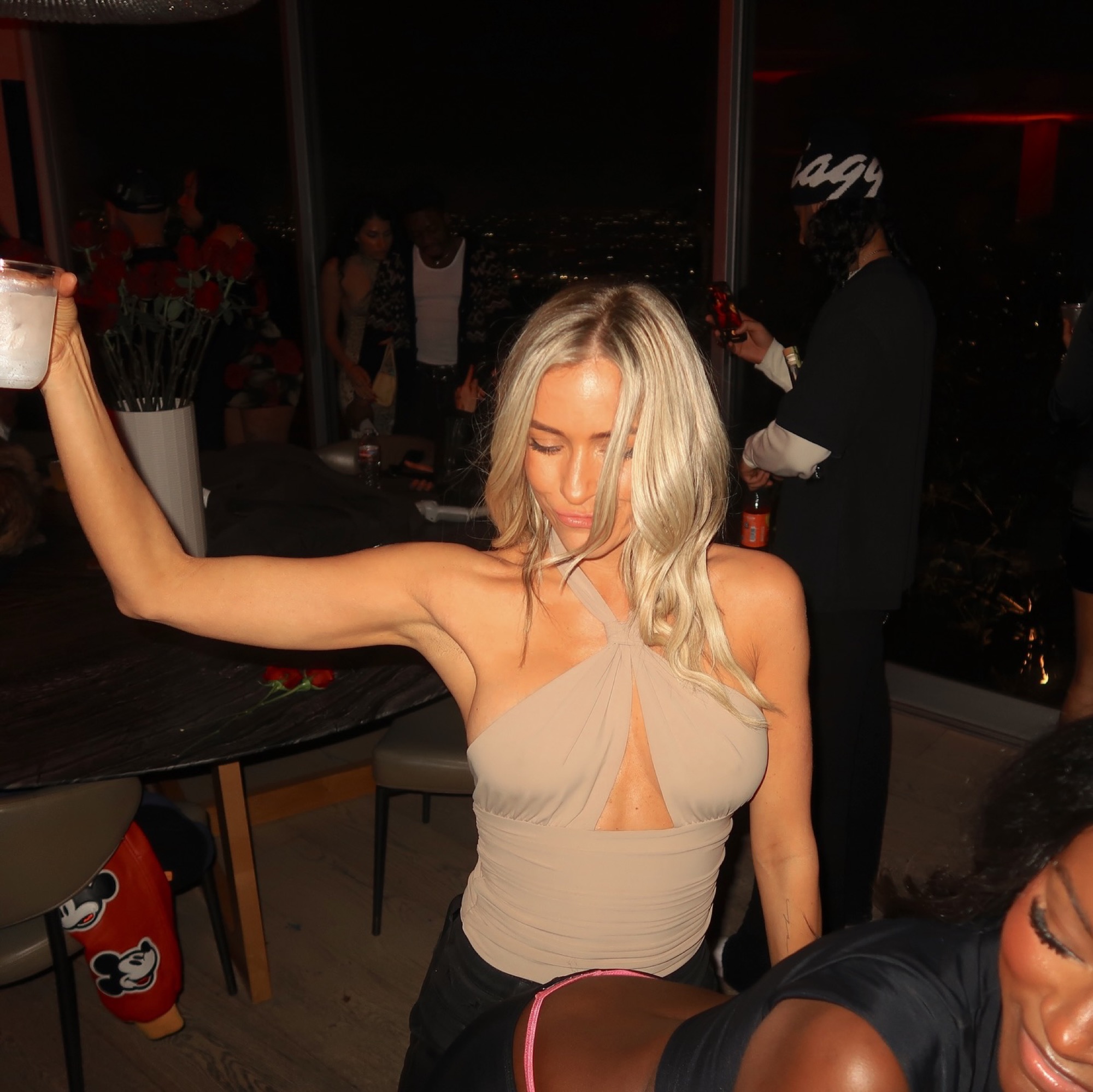
Kristin Cavallari Says a Valentine’s L.A. Bash “Felt Like a Drug Den” — Here’s What That Really Signals About Celebrity Nightlife Style
Kristin Cavallari calls a Valentine’s L.A. bash “sketchy”—“felt like a drug den.” What it reveals about celebrity nightlife, optics, and exit-ready style.
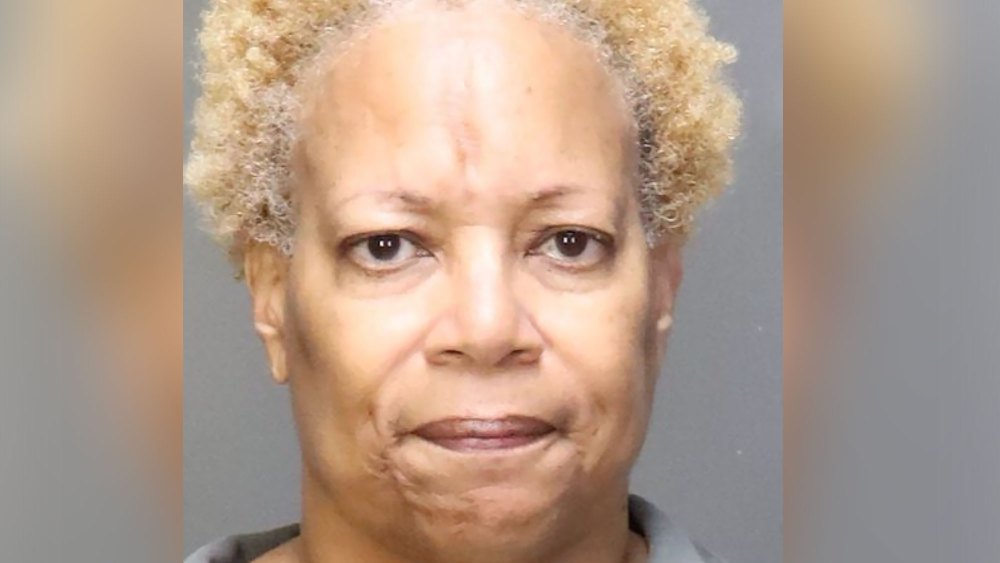
Texas Kindergarten Teacher Fired After Alleged Attack Over Broken Pencil — What Parents Need to Know
A Texas kindergarten teacher was fired after a 5-year-old was allegedly attacked over a broken pencil. What happened, who’s involved and what parents should...